Review: You Can See Everything lives up to the hype
Nathan Fielder and Lance Oppenheim’s documentary about convicted felon Elizabeth Holmes is endlessly fascinating

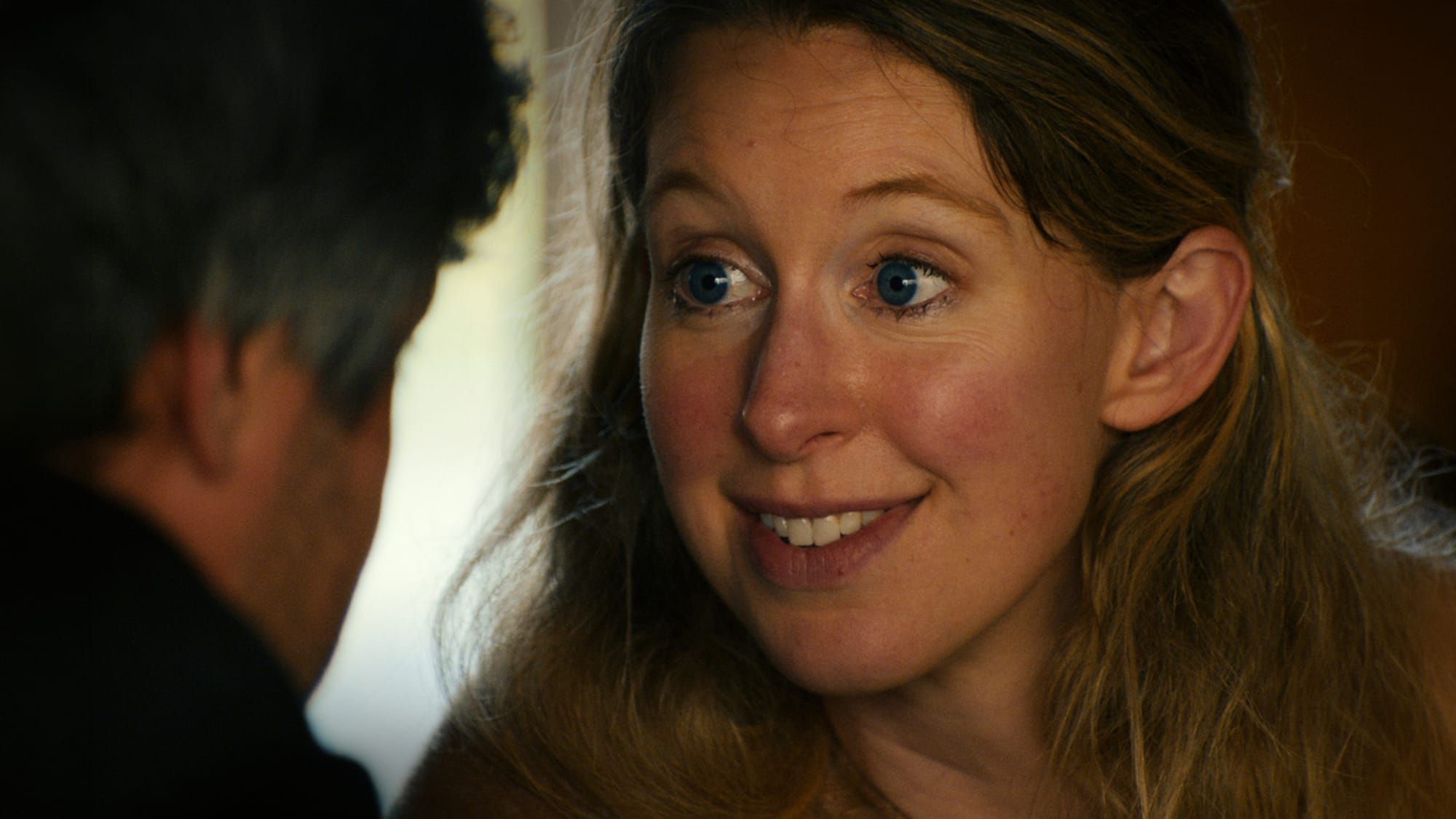
The first hour of Nathan Fielder and Lance Oppenheim’s remarkable documentary You Can See Everything (Rating: ✭✭✭✭✭) plays pretty much as you might expect if you’ve seen the trailer and know some of Fielder’s (Nathan For You, The Rehearsal) work.
The filmmakers’ subject is Elizabeth Holmes, the disgraced founder and CEO of Theranos, the multi-billion dollar biotech startup that claimed to be able to do extensive blood testing with a few drops of blood, before its technology was exposed as unreliable and Holmes and Theranos’ president, Sunny Balwani, were convicted of fraud. (A fictionalized account of Holmes’s spectacular rise and rapid fall appeared in the acclaimed 2022 Hulu limited series The Dropout, starring Amanda Seyfried.)
In 2023, 34 days before she’s set to begin her 11-year sentence in a Texas prison, Holmes and her partner/father-of-her-kids Billy Evans grant the filmmakers 24/7 access to them in their beachfront San Diego rental.
Fielder is initially suspicious. Why would this couple want to expose themselves to cameras and microphones tracking their every movement? Perhaps it has something to do with their misgivings about traditional media; one of the first things we see is their displeasure over a recent New York Times profile in which Holmes (who now calls herself “Liz”) talked about her early, basso-voiced public self as “a character I created.”
Is the woman talking to Fielder also a “character”? “All I have is my truth,” she says early on in the doc; so is she truthful when she talks about never lying, even telling a white lie?

Fielder is a shrewd interviewer, asking in his deadpan way whether Holmes and Evans have anything to hide, getting them to open up about how they met and whether Holmes should be trusted after being found guilty of fraud. Often he’s seen glowering in the background. Underlying his interviews is the question of why they’re talking to him, someone who in his past work has introduced ridiculous ideas for floundering businesses, blurring the lines between fact and fiction, and real-life and absurd, cringeworthy comedy.
He also wants to cut through the bullshit, asking them the question we all want to know: “So if you’re not responsible, who messed up?”
During one frustrating but fascinating exchange, Holmes talks about Theranos, and her language and logic are so slippery and convoluted, Fielding compares their conversation to Abbott and Costello’s famous “Who’s on first?” routine. He then plays the sketch for Holmes and Evans, and their subdued reaction is telling.

Later, Holmes agrees to watch The Dropout with Fielder, but she’s so upset by a scene that she has to stop, and ends up crying, with Evans comforting her.
As her prison term looms, her parents visit, and just as Fielder’s getting somewhere with her dad — who once worked for Enron! — Evans steps in and stops the interview.
Once Holmes is in prison, where no cameras are allowed, the film opens up to become something different. Fielder’s interviews with Evans reveal some intriguing facts, which crack open some other areas of investigation. Then Fielder and Oppenheim discover a way to illustrate some incidents that weren’t initially recorded. I won’t reveal more than that.
The result is a genre-defying film that raises lots of questions about documentary filmmaking itself: Is it possible to get too close to one’s subject? Should interviewees ever get paid for their participation? Is there such a thing as objective truth, even when cameras are there to “see everything”?
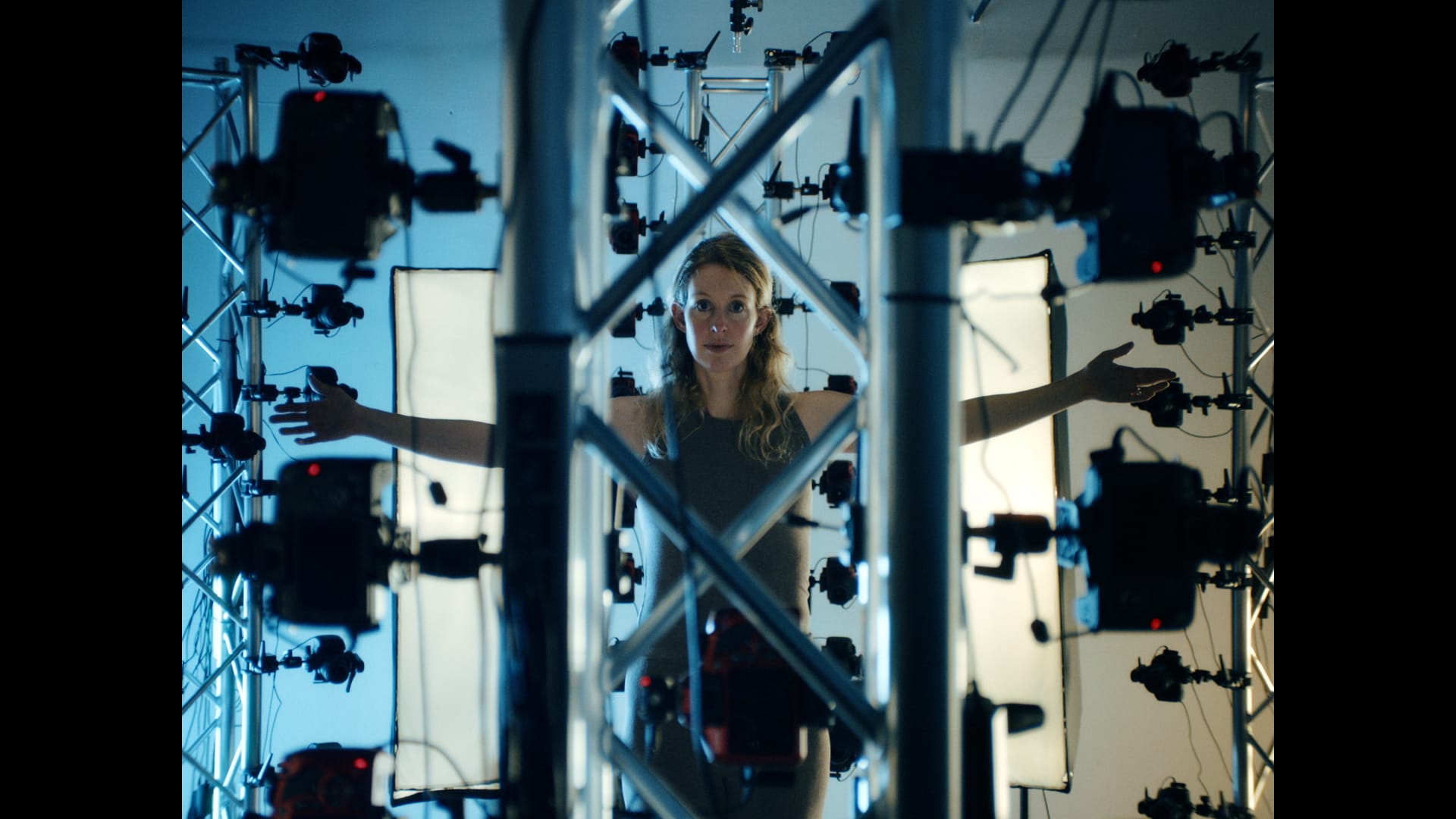
However much you believe Holmes, whose glassy blue eyes and enigmatic grin remain unreadable, is the fact that she believes “her truth” something she tells herself to get by or a long-game con? (She and Evans are hard at work on a new tech venture involving lasers, and are courting investors.)
The film looks great. Many interviews are done with low-level lighting, giving the film an intimate, private feel. The filmmakers also capture seemingly insignificant details that speak volumes, like the way Evans restlessly plays videos or transcripts at 2x speed, or the way he allows himself to be filmed post-gym-workout in the shower, which lives up to the film’s title.
When Fielder took part in a Q&A for the film a few weeks ago at the New York Film Festival, he said: “I am still struggling to this day to understand what I went through.”
When I read that, it sounded disingenuous, a clever sound bite. Now, after seeing the nearly three-hour film and being absorbed, challenged and entertained by every minute, I believe it.
You Can See Everything opens wide in theatres on Friday (October 16).