Hot Docs review: Antoni Cimolino film fawns over its subject
This Above All gives a solid overview of the outgoing Stratford Fest artistic director’s life and career, but it feels like hagiography

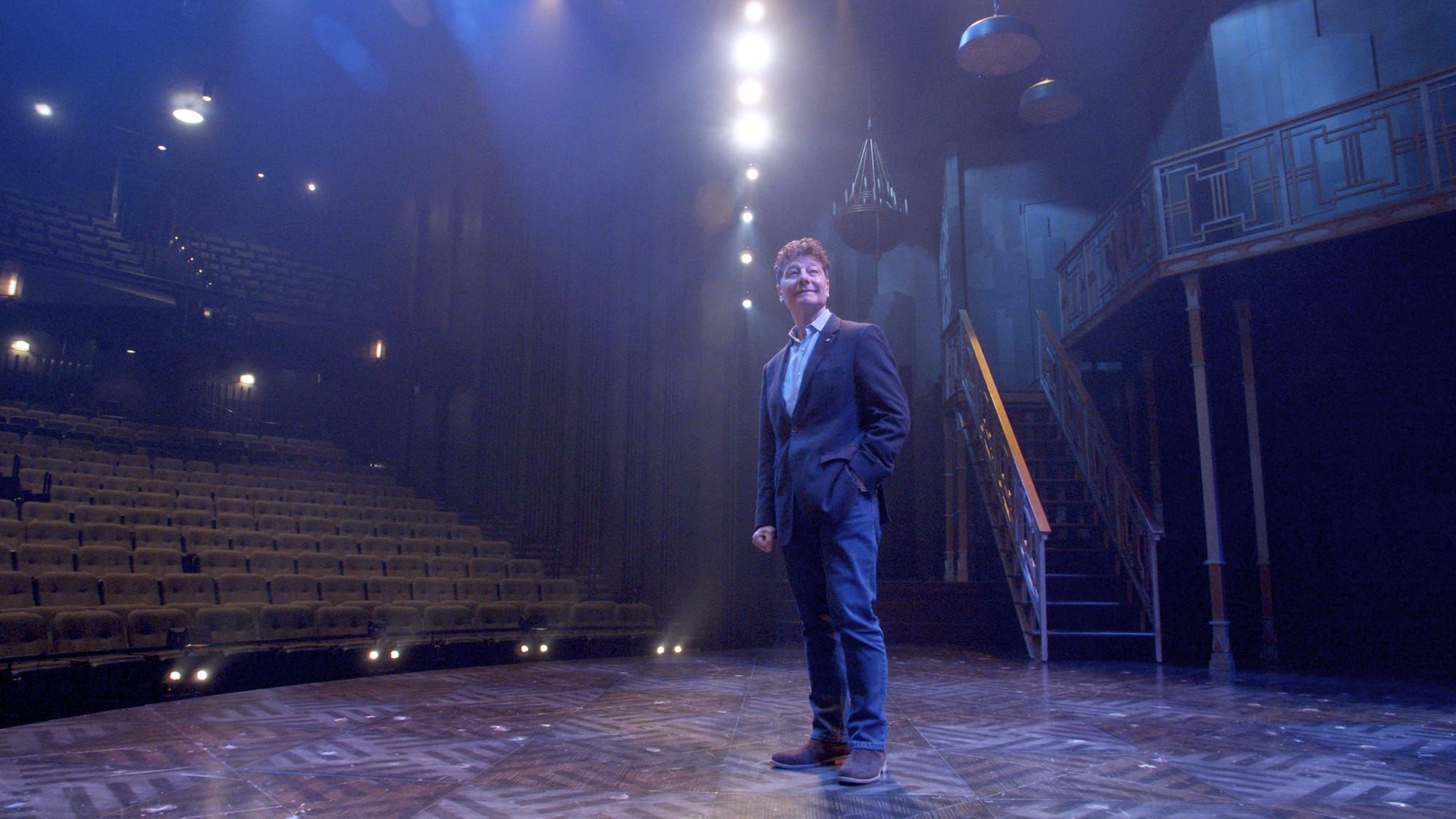
For a film with the word “theatrical” in it, there’s not much drama or tension in Barry Avrich’s This Above All: The Theatrical Life of Antoni Cimolino (Rating: ✭✭), which premiered last night at the Hot Docs Festival and gets a second screening today. (It will also show up later this summer on the Documentary Channel, and then be released on CBC Gem in the fall.)
To paraphrase a famous line from Julius Caesar, Avrich comes not to delve very deeply (or with much complexity) into the Stratford Festival’s outgoing artistic director but to praise him.
And heck, what’s not to praise? After a promising start as an actor — the apex of his acting career was playing Romeo opposite Megan Follows’ Juliet in 1992 — Cimolino realized he was more suited to directing, assisting then artistic director Richard Monette, becoming executive director, general director (in 2006) and then, for the past 14 seasons, its AD.
Cimolino has always been a clear, sensitive director of plays — as anyone who saw his fine production of The Winter’s Tale last season knows. The critic Richard Ouzounian is right in saying whenever you see a Cimolino production you understand what people are saying.
We’re also told that, as executive director, he was adept at the business side of running North America’s largest repertory theatre festival. One of the funniest lines in the 78-minute film comes when someone says, “Why was Romeo in the office asking about business?” He knew how to approach donors (philanthropists Sandra and Jim Pitblado are interviewed) and actors with equal sensitivity.
Among the talking heads are actors Eric McCormack, the Will & Grace star whose Stratford years coincided with Cimolino’s early days, leading man Colm Feore, and star company players Lucy Peacock and Tom McCamus.
In one of his few revealing onscreen moments, Cimolino suggests he was envious of Feore’s talent early on, when they were both actors. Later on, when he was directing Feore and not getting anywhere, the actor implies he would sometimes go behind his back and talk to Feore’s wife Donna Feore — also interviewed at length here — to get results.
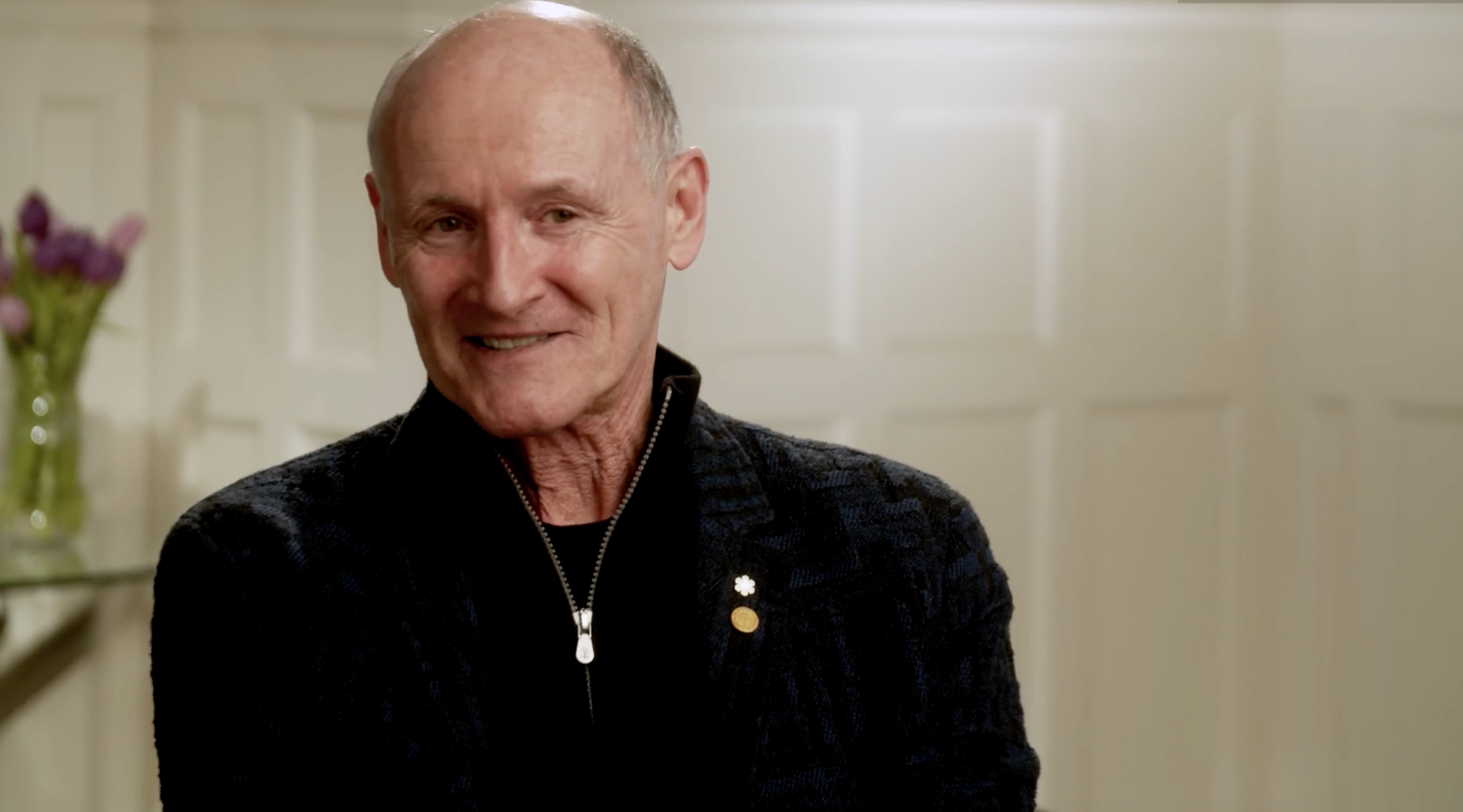
Much of the stronger material comes in the second half, when Cimolino sincerely addresses the festival’s historic neglect of artists from diverse backgrounds and experiences. We’re shown the #inthedressingroom and flashes of posts on social media but no on camera artist discusses past wrongs.
As actor and director André Sills says, when he sees artists of colour getting opportunities these days, he wants to tell them not to take them for granted. A lot came before them.
This leads to a section on the increasing visibility of women in the company, capped off by a moving look at the late Martha Henry’s final years, playing Prospero in The Tempest and, after getting a cancer diagnosis, starring in Three Tall Women.
I wish there were more about the festival’s new play initiatives — some of the most hotly anticipated works in recent years have been world premieres by exciting playwrights. Strangely, there’s no interview with Keith Barker, head of new play development.
And among the controversies that go underexplored? A closer look at the quick dissolution of the 2007 experiment in which three people (Des McAnuff, Marti Maraden and Don Shipley) shared artistic director duties.
Near the end we get a glimpse at what his demanding career has cost his family life, which includes actor Brigit Wilson (who never imagined they would stay in Stratford for their entire adult lives) and two children. There were also costs in his relationships, since being the artistic director of a company meant after-dinner drinks and conversations couldn’t just be simple chats; they might be compromised. What the film lacks is a talk with someone outside of the Stratford orbit; perhaps a friend he’s known from childhood.
It would have been nice to get a deeper look into Cimolino’s personal life, particularly in how his Italian-Canadian upbringing in Sudbury affected his sensibility. Why nothing on his work staging the plays of Italy’s Eduardo de Filippo, one of which — Saturday, Sunday, Monday — closes out his tenure this season in a world premiere translation he co-wrote and directs?
As a film, This Above All (I kept waiting for someone to continue Polonius’ speech, but it never comes) is, at best, workmanlike. The interviews are handsomely, if unimaginatively shot and edited. Shakespeare quotes dutifully introduce thematic sections. There’s judicious use of archival footage, stunning looks at the redesigned Tom Patterson Theatre, which will be part of Cimolino’s legacy. Also part of his legacy is his smart handling of the COVID-19 pandemic, which must have challenged the company’s bottom line.
If anything, this doc will make theatregoers look at the man’s upcoming final Stratford season with fresh eyes. After all, as he knows better than anyone, the play’s the thing.
This Above All: The Theatrical Life of Antoni Cimolino screens Tuesday, April 28, at Hot Docs. Ticket info here.