Reviews: Golden Boy, Long Day’s Journey into Night, Permanent Astonishment
Josh O’Connor and Jessica Lange deliver knockout performances, while new doc explores the life and work of Indigenous playwright Tomson Highway

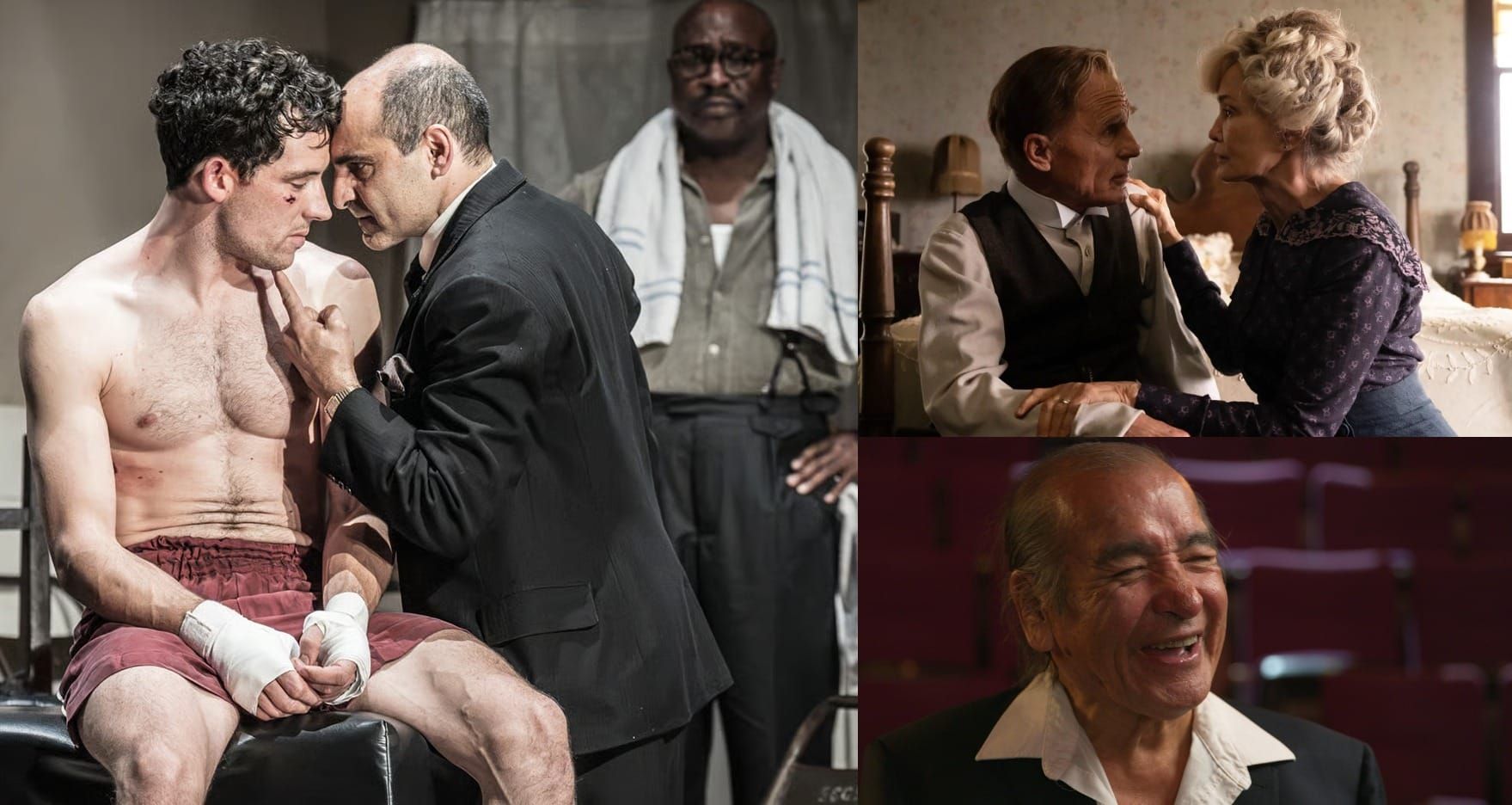
There’s so much live theatre happening right now (at least in Toronto) that it seems ridiculous to write about movies. (As always, check out my newsletter’s listings for a complete guide of what’s happening on stages.)
But I got to see some recent films that should be of interest to theatregoers, including two adaptations of classic plays and one documentary about one of Canada’s premiere playwrights.
First, the classics.
Long Journey
As far as I can tell there’s no plan to release Long Day’s Journey into Night (Rating: ✭✭✭✭), Jonathan Kent’s powerful new film adaptation of the Eugene O’Neill masterpiece, in Canada.
I believe it opened exclusively in New York and L.A. But star Jessica Lange has been doing lots of interviews at special screenings and festivals, and there’s an outside chance she could earn an Oscar nomination for her performance as the haunted, drug-addicted Mary Tyrone. She certainly deserves one (to add to her two wins).
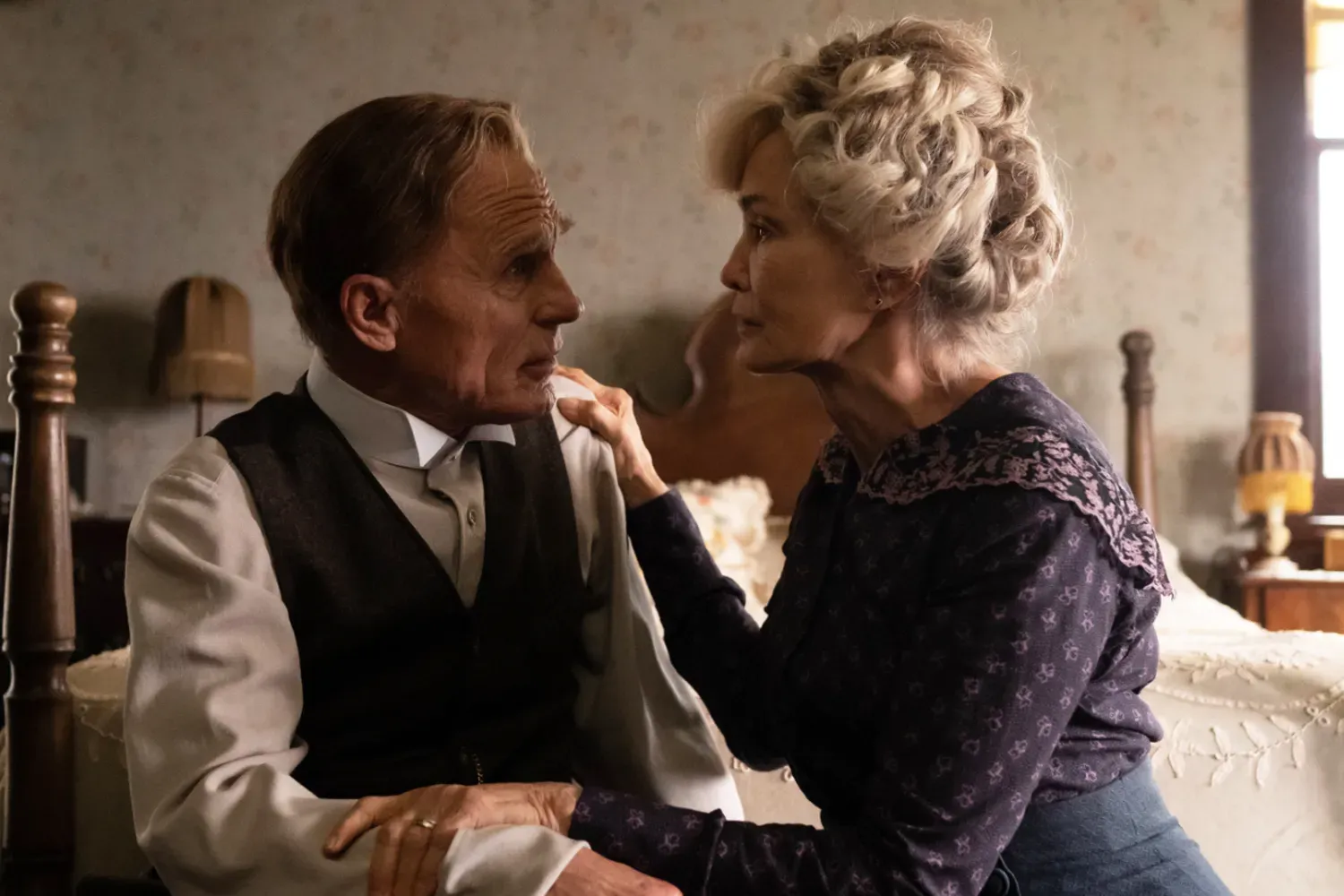
Kent directed a revival of the play in 2016, and it won Lange a Tony Award; this film adaptation has been in the works since then.
Long Day’s Journey is a lengthy work, but adapter David Lindsay-Abaire (Rabbit Hole) has trimmed it down to just under two hours. The dynamics among the royally dysfunctional family members remain intact, but the cuts mean Lange’s Mary comes to the fore, with the men — husband James (Ed Harris), and sons Edmund (Colin Morgan) and Jamie (Ben Foster) — emerging as more supporting characters.
That’s just fine, since Lange’s Mary dominates the screen, from her nervous, hand-twitching opening moments to her increasing worry about Edmund’s health and Jamie’s alcoholism. We see her reminiscing about her childhood and her convent years, where she played piano (her hands are now arthritic, and she blames them for the morphine she takes). We sense her excitement in meeting the younger James, a promising classical actor who all the young women around her wanted to meet. Through Harris’ account of his artistic compromises we get a sense of what he’s given up to provide for his family.
What a treat to see Lange and Harris reunite onscreen decades after Sweet Dreams, in which they played another couple who were both drawn to, and repelled by, each other. You can sense James’ vanity in the way his hair has been styled, and it’s fascinating to see and hear his Irish brogue emerge the more he drinks. Lange has one of the screen’s most suggestive voices, and the way she modulates it to capture a lifetime of guilt and regret is haunting.