The Gilded Age’s new power couple
A lavender marriage, a Black woman’s career in the 19th century and the fortunes of Clock twink animate the HBO/Crave show’s fourth season

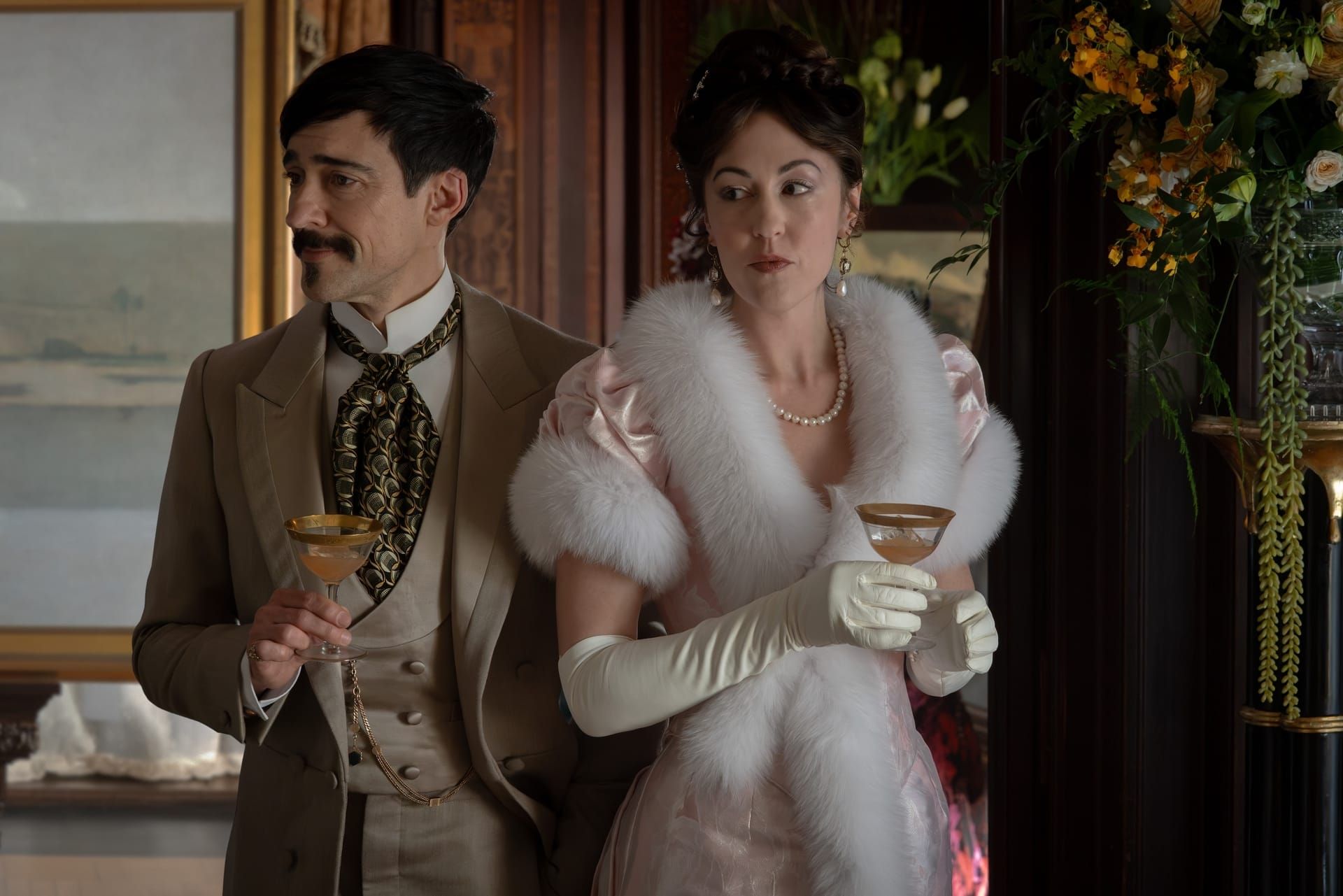
There are lots of compelling couples in The Gilded Age, Julian Fellowes’ sumptuous examination of Old Money and new, upstairs lives and downstairs ones in late 19th century Manhattan.
At the top of the pecking order, of course, there’s Bertha (Carrie Coon) and George Russell (Morgan Spector), the elegant social climber and the hunky railroad daddy, although their relationship has recently hit a snag. There’s also the will-they-or-won’t-they duo of Marian Brook (Louisa Jacobson) and the Russell son Larry (Harry Richardson). And let’s not forget independent writer Peggy Scott (Denée Benton) and her fiancé Dr. William Kirkland (Jordan Donica), if only Kirkland’s mother (Phylicia Rashad) would stop meddling.
But as the HBO/Crave series enters its fourth season this month, one of the most intriguing new couples is the closeted Oscar van Rhijn (Blake Ritston) and Enid (Kelly Curran), who was formerly Bertha Russell’s lady’s maid before marrying upwards and then becoming a wealthy widow. With Oscar’s social connections/lineage and Enid’s inherited money, plus the style she acquired from dressing fashion plate Bertha for so many years, the two have the potential to become the new tastemakers of Fifth Avenue.
“They are very unified in their vision of a kind of new society,” said Ritson at a recent Gilded Age press conference at New York’s Plaza Hotel.
“In the first episode, they go dancing downtown. We’ve only seen balls before, where [everything] is very structured and kind of staid. Suddenly we see these people dancing the mazurka, they’re improvising and it’s spontaneous — it’s a little metaphor for what they’re offering up, a much more fun vision of society.”

Curran added that even though Oscar and Enid know how to navigate the strict rules of society, they’re very much outsiders when it comes to their private lives.
“They can be themselves together in private, and then they can put on their public performance, and they know how to do it,” she said.
Coon, who plays Enid’s former employer, pointed out the terrific outfits for the character designed by Kasia Walicka Maimone.
“She made your costumes so impeccable, and you see the taste level that Enid has absorbed,” said Coon to Curran. “It would be very easy to make her gauche in some way. That would be the easy and expected choice as the rival of Bertha. But the fact that your costumes are often more elevated than mine speaks to the level of design in the show.”
The show’s style may be one thing — and much of the season was filmed during the east coast’s massive heat wave earlier this year, causing lots of discomfort for actors bundled up in bustles and corsets.
But it’s the series’ look at social issues like race, class and sexuality that make it especially fascinating.
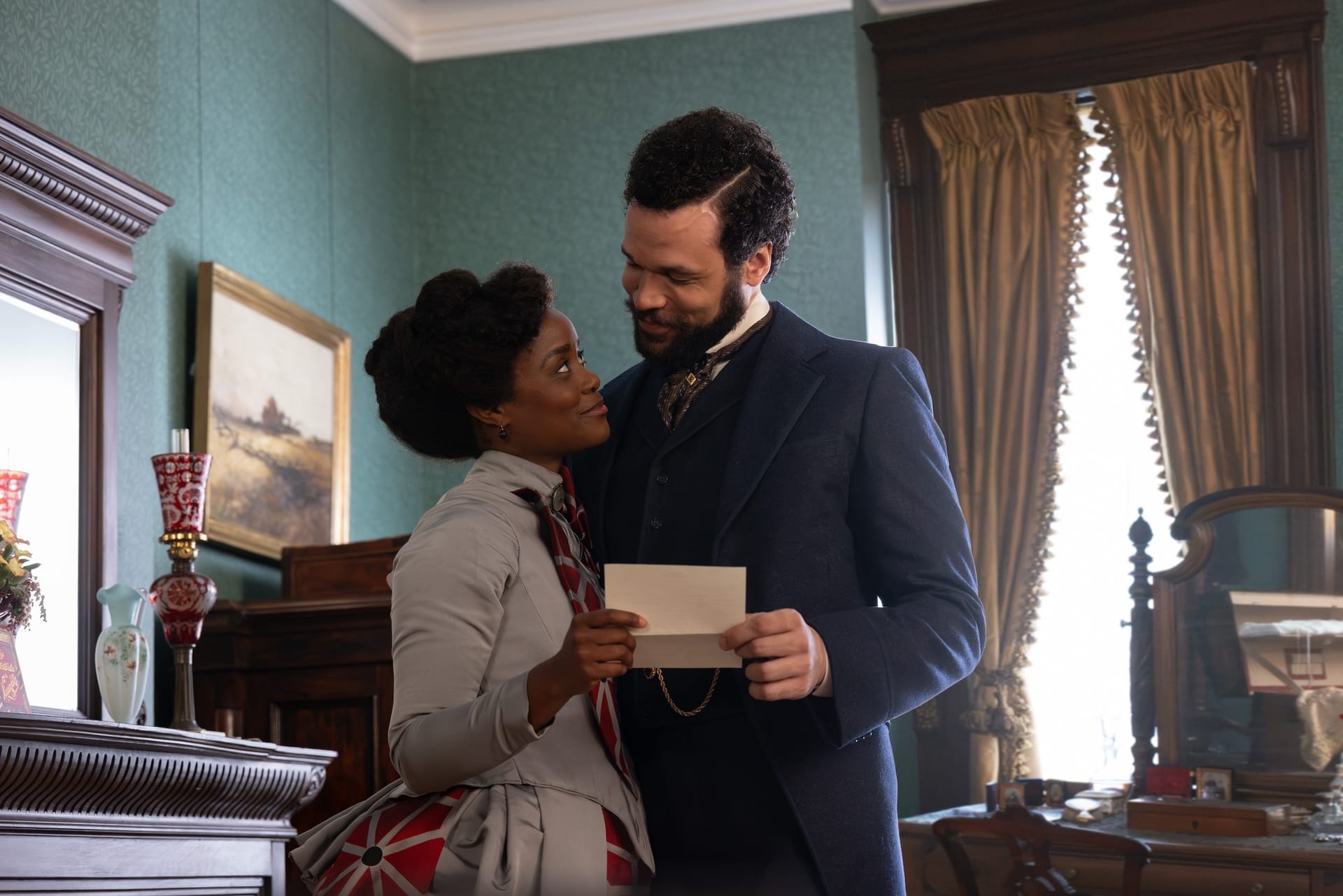
Benton, who’s currently starring in School Girls; Or, The African Mean Girls Play on Broadway, said it was the honour of her life to play a Black leading lady archetype in a story that hasn’t been seen on mainstream TV.
“Peggy is a trailblazer in the sense that she doesn’t have a lot of people to model her dreams off of,” she said. “This class of professional working woman wasn’t something that was really widespread at that time. You were either working class or aristocracy. I like to joke that Peggy is the ‘Miranda’ of our show,” referring to the part that fellow cast member Cynthia Nixon played in another HBO series, Sex and the City.
“She’s a career woman, and this season seeing her attempt to balance love and work becomes a really modern struggle that I think audiences will relate to. She’s literally sacrificed blood, sweat and tears. And so, to see her be so ravenous for what she wants is kind of radical in its own way. It’s radical today, but it was extremely radical then.”
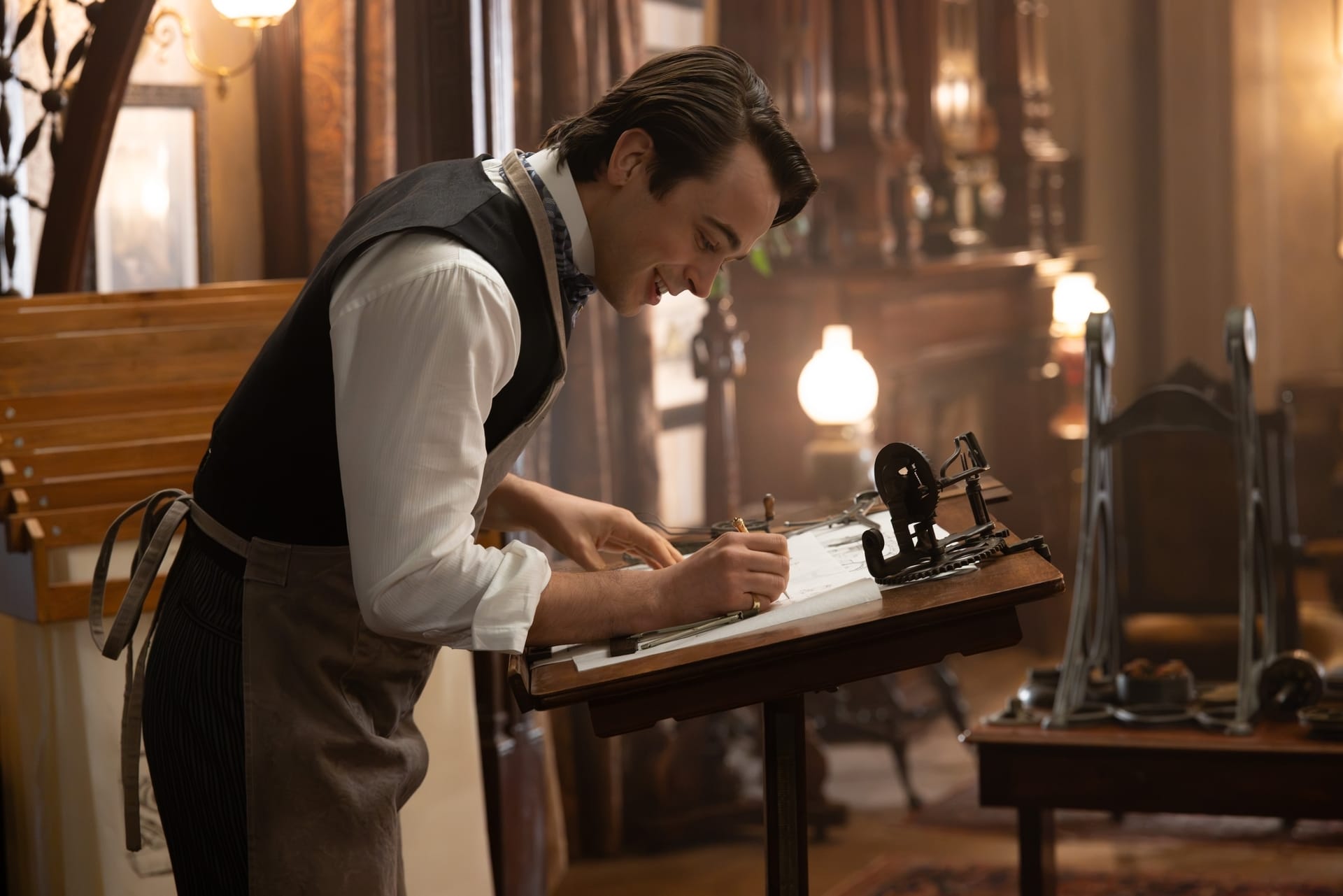
One of season three’s most crowd-pleasing plots concerned the life-changing fortunes of junior footman Jack Trotter, whose invention of the alarm clock catapulted him into a higher economic class, earning actor Ben Ahlers and his character the nickname “Clock twink.”
“This is a time in American history where you were really starting to see for the first time people being able to elevate beyond their class,” said Ahlers.
“It was a massive leap for a young man who, as we learned in season one, was an orphan when his mother died in the Peshtigo Fire. What I appreciate so much about Jack is that he was never seeking power, fame and money. He says, you know, ‘I saw a problem in front of me, and I tried to solve it.’ As an artist, the truest way to pursue something is to find that specific calling in your heart and follow it to its furthest edge. I think that’s what’s made people resonate with him so much.”
This season, besides dreaming up his next invention (the memes about electric mixers have already begun), Jack must contend with people who have more education, connections and entitlement.
“He enters into society with all of these — to him — fruitless and often aimless rules about how to behave and how to operate,” said Ahlers. “I think he’s having to decide for himself how much he wants to play in that space, especially with how much he’s already sacrificed to be here.”
As far as attitudes about sexuality go, Ritson says he’s been overwhelmed by how many viewers reacted positively to Oscar’s coming-out scene in the third season.
“That was a time when there were huge legal and social ramifications to being found out to be gay,” he said. “It’s worth remembering that The Gilded Age comes out in, I think, over 60 countries. There are still many, many cultures and contexts where coming out is not an easy thing. It is painful, and in some countries it’s illegal. So this is really pertinent.”
The Gilded Age airs Sundays at 9 pm ET on HBO and Crave Canada.